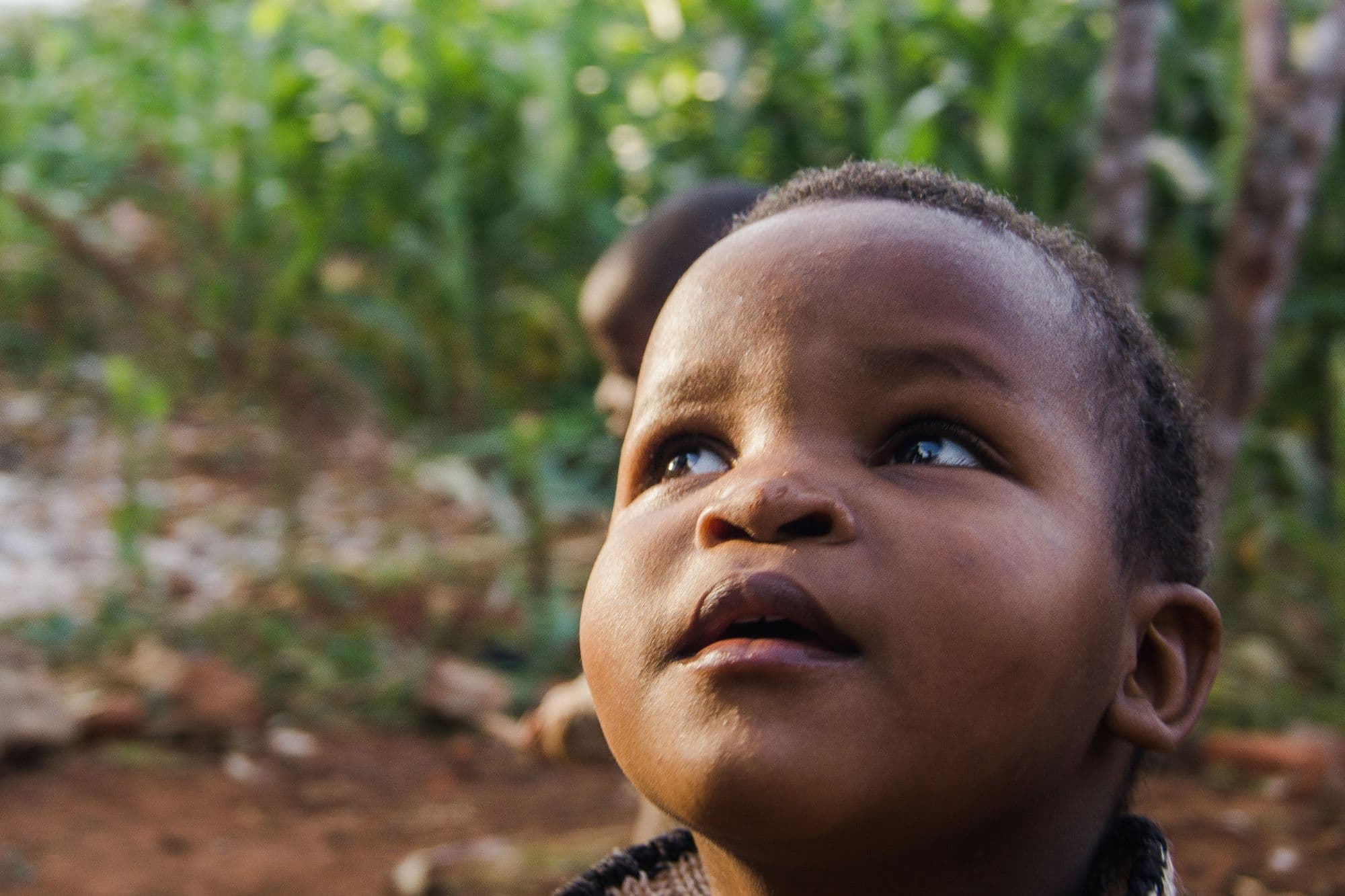
Uganda has risen from 149th position in 2025 to 138th position in the 2026 KidsRights Index, moving up 11 places among 194 countries. Its overall score increased from 0.532 to 0.559.
This is an important step for a country where children make up almost half of the population. The Index estimates that Uganda has 23.18 million children, representing 43.9 per cent of its total population of approximately 52.76 million. Decisions affecting children therefore shape Uganda's present social conditions and its long-term development prospects.
The 2026 KidsRights Index is the fourteenth edition of the annual global assessment. It measures countries across five domains: the right to life, health, education, protection and the enabling environment for children's rights. The Index draws on comparable information from UNICEF, UNDP and the UN Committee on the Rights of the Child.
"Whether children are growing up in the shadow of war or in environments that undermine their health, the result is the same: their rights, wellbeing and future opportunities are being put at risk. The world is failing to provide children with the protection they are entitled to."
Marc Dullaert, Founder and Chair of KidsRights Foundation
Uganda's 2026 Results at a Glance
- Overall KidsRights Index score: 0.559
- Global position: 138 out of 194 countries
- Right to life: 0.644
- Right to health: 0.671
- Right to education: 0.608
- Right to protection: 0.417
- Enabling environment for children's rights: 0.500
- Climate-adjusted KidsRights score: 0.519
In 2025, Uganda scored 0.621 for life, 0.550 for health, 0.602 for education, 0.415 for protection and 0.500 for the enabling environment. The strongest improvement in 2026 came from the health domain, which increased by 0.121 points.
Health Is Driving Uganda's Improved Performance
Health emerged as Uganda's highest-scoring domain in 2026, at 0.671. The right-to-life score also increased from 0.621 to 0.644, while education rose slightly from 0.602 to 0.608.
These movements deserve closer examination. They can help government and partners identify the policies, investments and service-delivery approaches contributing to improved outcomes. The next step should involve documenting what has worked, identifying where gains are concentrated and extending effective interventions to districts and groups of children who remain underserved.
National averages can conceal major inequalities. Children in refugee-hosting districts, informal settlements, rural communities, hard-to-reach areas and households facing poverty may experience very different levels of access to health, nutrition, education and protection services.
Protection Remains Uganda's Weakest Domain
Uganda's protection score increased marginally from 0.415 in 2025 to 0.417 in 2026. It remains the country's lowest-scoring domain.
Within the KidsRights methodology, the protection domain measures three indicators: child labour, adolescent birth rates and birth registration for children under five. Each of these indicators carries serious legal and developmental consequences.
Birth registration gives a child legal recognition and supports access to education, health care, social protection and justice. Child labour can interrupt education, expose children to dangerous environments and deepen intergenerational poverty. High adolescent birth rates are linked to interrupted schooling, health risks and limited economic opportunities for girls.
A complete assessment of child protection in Uganda also requires current national evidence on violence against children, child marriage, trafficking, online harm, family separation, children in contact with the law and the experiences of children in humanitarian contexts.
The 2026 score presents a clear policy priority: Uganda needs a coordinated protection agenda that connects legislation, prevention, reporting, referral, case management, social welfare services, justice and accountability.
The Enabling Environment Score Has Remained Unchanged
Uganda scored 0.500 for the enabling environment for children's rights, the same score recorded in 2025. This domain examines seven areas:
- Non-discrimination
- The best interests of the child
- Respect for children's views and child participation
- Enabling national legislation
- Allocation of the best available budget and resources
- Collection and analysis of disaggregated data
- Cooperation between the State and civil society
Together, these elements form the institutional foundation required to implement the UN Convention on the Rights of the Child.
Uganda's score needs to be interpreted with an important data qualification. The country's latest concluding observations from the UN Committee on the Rights of the Child date from 2005. KidsRights has identified Uganda among the countries whose enabling-environment assessment relies on observations that are more than 15 years old. Uganda submitted its subsequent report in 2021, and the UN Treaty Bodies calendar lists Uganda for consideration by the Committee on the Rights of the Child during its 101st session, scheduled for 31 August to 28 September 2026.
Civil society organisations, children's rights institutions, researchers and children themselves should actively engage in this process. Their evidence can help the Committee understand how laws and policies are experienced in communities, schools, families, health facilities, justice institutions and places of care.
Climate Change Is Lowering Uganda's Overall Child-Rights Score
When climate-related exposure is incorporated, Uganda's score falls from 0.559 to 0.519 — a reduction of approximately 7.2 per cent.
Climate change affects children through food insecurity, displacement, disease outbreaks, water shortages, extreme heat, floods, damaged schools and disrupted livelihoods. Young children face heightened risks because their physical development, nutrition, health and safety depend heavily on stable caregiving and community systems.
Climate action must therefore become part of child-rights implementation. District development plans, education infrastructure, health services, social protection systems and humanitarian preparedness should include child-centred climate adaptation measures.
What Should Uganda Do Next?
Government and Parliament should strengthen the implementation of child-protection laws, allocate traceable budgets for children, improve parliamentary oversight and address legal or regulatory gaps affecting children.
Local governments should strengthen birth registration, child-labour prevention, adolescent services, community reporting mechanisms, referral pathways and professional social welfare services. District plans should include measurable child-rights targets.
Ministries, departments and agencies should improve the collection and public reporting of disaggregated data. Data should show differences by age, sex, location, disability, migration status, household income and humanitarian circumstances.
Civil society organisations should coordinate independent monitoring, support children's participation and submit current evidence to national accountability institutions and the UN Committee on the Rights of the Child.
Development partners and the private sector should invest in local protection systems, inclusive education, early childhood development, climate resilience and programmes that address the structural causes of child labour and adolescent pregnancy.
The media and research institutions should keep children's rights visible, explain what the Index measures and track whether commitments lead to measurable change.
Children and young people should have safe, accessible and formal opportunities to participate in policy development, budgeting, monitoring and national reporting processes.
Turning the Ranking Into Measurable Change
Uganda's rise in the 2026 KidsRights Index provides evidence of movement, particularly in health. The protection score, the unchanged enabling-environment score and the climate adjustment identify areas requiring sustained public action.
The next measure of progress will come from changes that children can experience directly: legal identity from birth, freedom from exploitation, continued education, accessible health care, safe communities, meaningful participation and institutions that respond when their rights are violated.
For Uganda, 2026 should become a year of renewed child-rights accountability. Every ministry, district, organisation and institution working with children has a role to play.
What measurable commitment will your institution make before the next KidsRights Index is published?