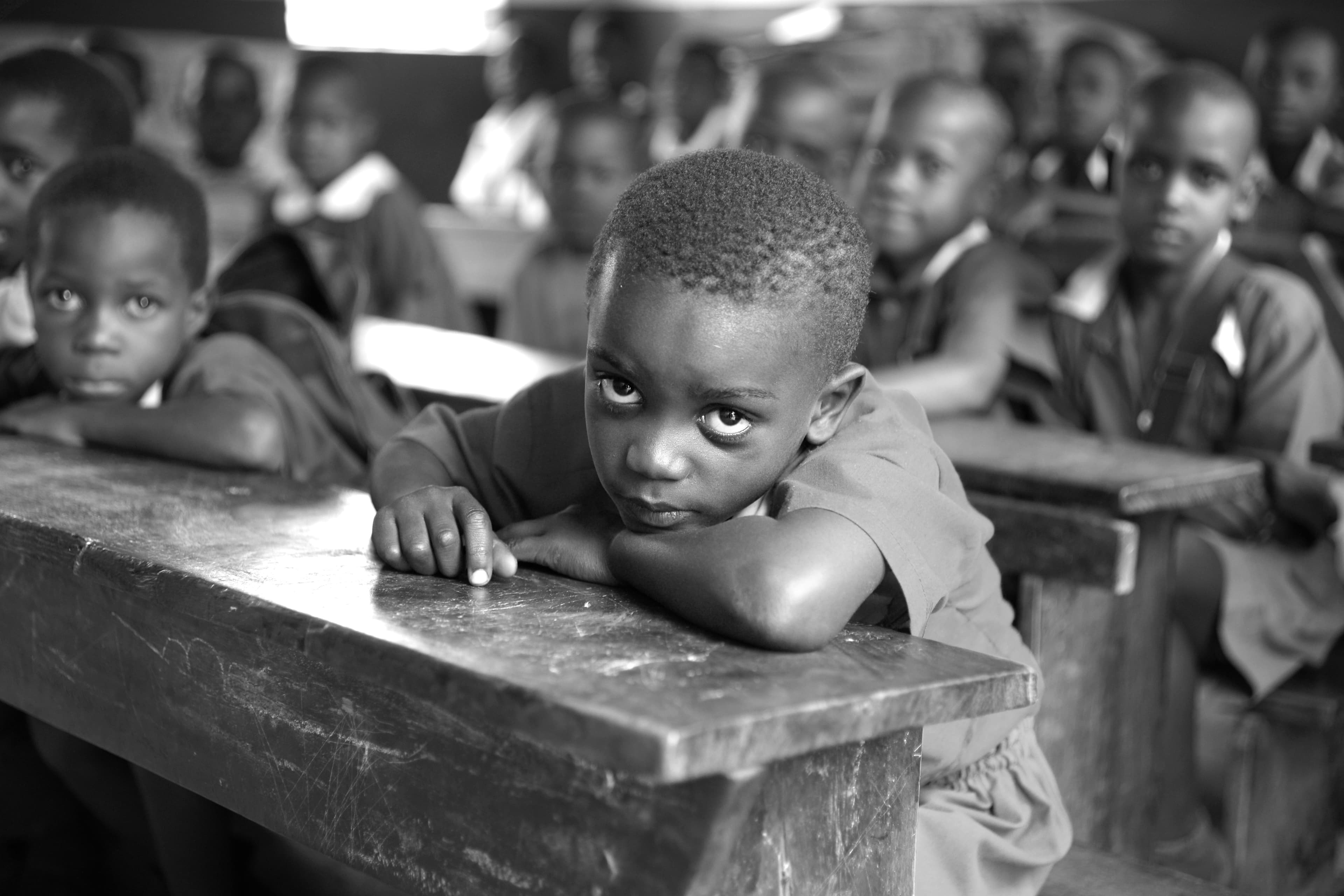
Most conversations about children's rights in Africa center on two major agreements, the UN Convention on the Rights of the Child and the African Charter on the Rights and Welfare of the Child. Nearly every African nation signed on to both. Yet a massive gap remains in domestic laws across the continent, where children from birth to age six receive the weakest legal protections of any age group.
This early childhood legal gap shows up everywhere. Most national constitutions omit children entirely or lump everyone under eighteen into a single category, treating a toddler and a teenager as if they have identical needs. Domestic laws on healthcare and welfare rarely mention children under six at all. On top of that, enforcement agencies and court systems spend nearly all their resources on older kids, mostly around primary schooling and juvenile justice.
Why the Early Years Demand Legal Protection
The biology here is straightforward. Ninety percent of brain growth happens before age five. The nutrition, care, and basic safety a child gets during these first thousand days shape their health and learning for the rest of their life. Leaving this developmental window out of national law has long-term consequences that spill over into entire communities.
Programs alone are not enough. A government initiative offering early childhood meals can disappear overnight with a new minister or a tight budget. A statutory right to nutritional support is different. It creates a permanent legal obligation that survives political shifts. As things stand, the most critical window in human life remains the hardest one to enforce in court.
Findings from Our Legal Mapping
We surveyed the legal systems of fifteen African countries to see how young children are actually protected. The results were stark.
Only two countries in the entire study had passed laws specifically written for the zero-to-six age group. Everywhere else, early childhood care is scattered across a patchwork of old public health rules, education acts, and social welfare codes. None of these statutes were designed to handle the connected needs of a growing child.
Constitutional protections are just as inconsistent. South Africa stands out by granting children explicit, enforceable socio-economic rights in its constitution. In most other jurisdictions, children only appear in laws dealing with family disputes or customary land rights. That leaves their basic well-being to regular statutes that politicians can rewrite or cut without constitutional oversight.
Concrete Steps Toward Reform
Closing this gap means fixing the law at every level. National constitutions need clear language recognizing young children as individual rights-holders. Parliaments need to pass unified early childhood acts that combine healthcare, nutrition, and early learning into one coherent system. Finally, governments need independent ombudspersons and specialized oversight bodies with the authority to track whether these laws are being obeyed.
At CECJ, we support this work by analyzing current laws, helping draft new legislation, and equipping local advocates with the evidence they need. The gap in early childhood protection exists because of past political choices, and straightforward legislative action can fix it.