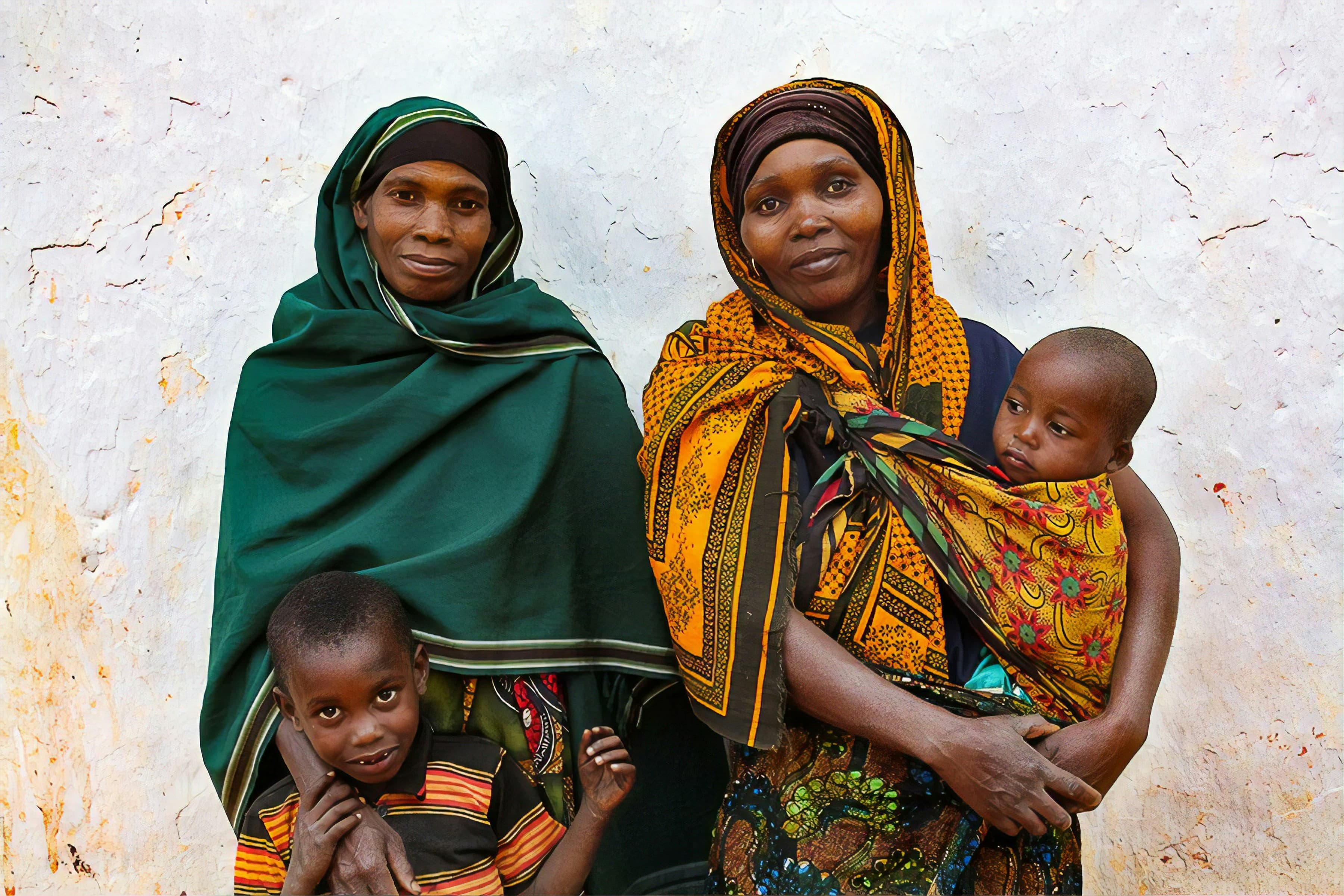
Over the past three years, CECJ has worked closely with civil society organisations, government officials, and community advocates in Uganda, Kenya, Tanzania, and Rwanda on early childhood law and policy reform. The work has been instructive — not only for what it reveals about the particular challenges of each country, but for the common patterns that emerge across the region.
Strong Policies, Weak Law
Perhaps the most consistent finding is the gap between the quality of early childhood policy frameworks and the legal enforceability of the commitments they contain. All four countries have national ECD policies or strategies that reflect current best practice in child development. Uganda's Integrated Early Childhood Development Policy, Kenya's National ECD Policy Framework, Tanzania's MTAKUWWA strategy, and Rwanda's ECD Policy all articulate clear visions for comprehensive, holistic early childhood services.
But policies are not law. They do not create justiciable rights. They can be changed without legislative process. And when budget pressures arise, services without a legal mandate are among the first to be cut.
The transition from policy to law — from ministerial commitment to statutory obligation — is the critical step that has not been taken in any of these countries with the comprehensiveness that early childhood requires.
The Coordination Problem
A second recurring challenge is institutional fragmentation. Early childhood is inherently cross-sectoral — it touches health, nutrition, education, social protection, water and sanitation, and child protection. In all four countries, responsibility for ECD is distributed across multiple ministries without a clear lead agency or effective coordination mechanism.
This fragmentation has legal consequences. Without a single statutory framework that cuts across sectors, the obligations of each ministry to young children are defined by sector-specific legislation that was not designed with the 0–6 age group in mind. The result is programmatic incoherence and accountability gaps.
Community Voice and Legal Reform
One of the most important lessons from our East Africa work is the role of community advocates — particularly mothers and grandmothers — as drivers of legal reform. In all four countries, we have found that community members, when given access to information about their legal rights and the tools to engage with formal processes, become highly effective advocates for change.
The legal reform process cannot be driven from above. It must be connected to the lived experience of families whose children are directly affected by the early childhood legal gap. CECJ's community engagement work is not supplementary to our legal reform agenda — it is central to it.