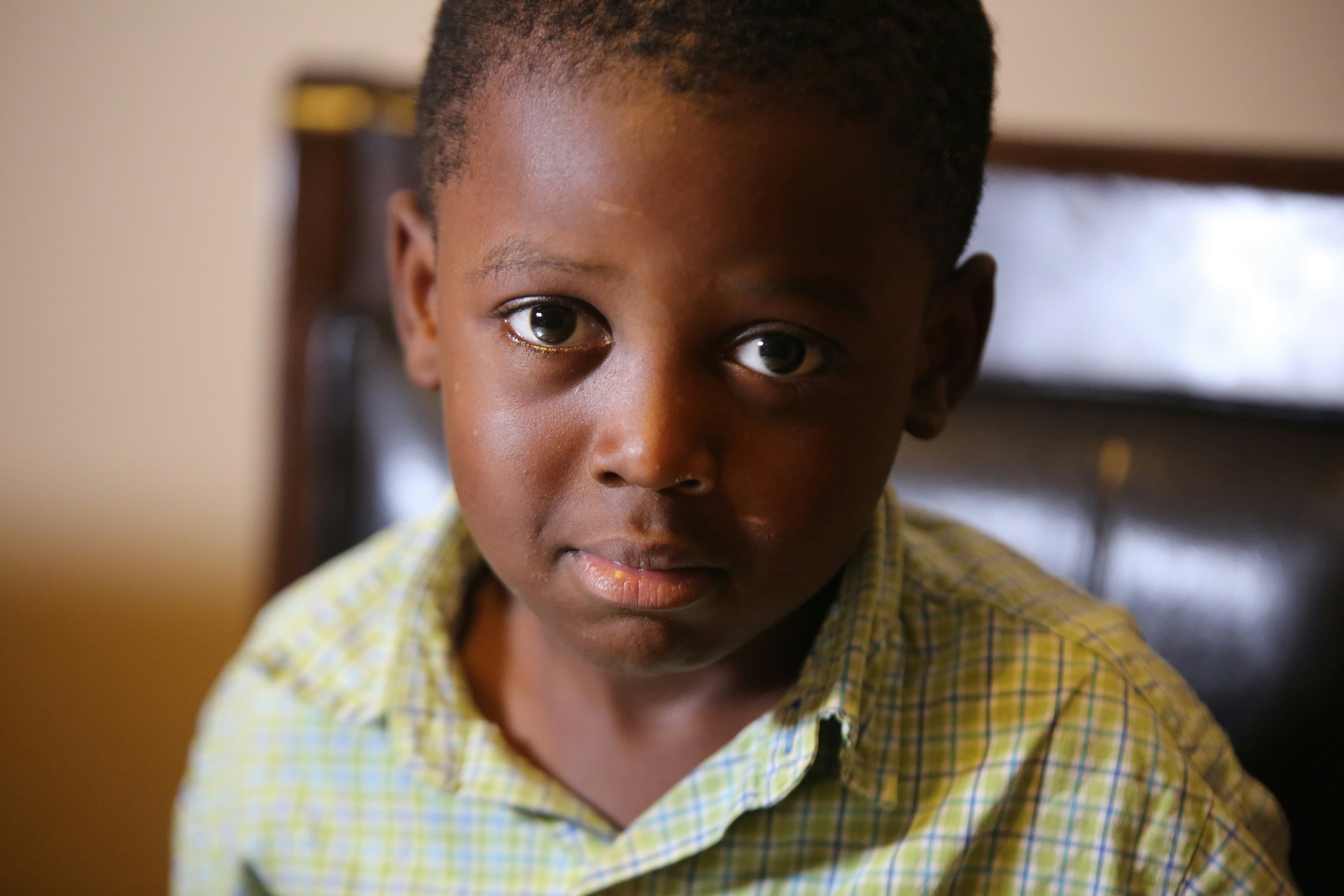
The African Charter on the Rights and Welfare of the Child was adopted in July 1990, entering into force nine years later in November 1999. Decades after its creation, 50 of the 55 African Union member states have ratified the agreement. That level of continental backing is remarkable for a regional human rights treaty, yet formal commitment on paper rarely translates directly into daily protection for young children.
As we mark thirty years since the Charter was established, CECJ is examining what the agreement has delivered for infants and toddlers, where it falls short, and what comes next.
What the Charter Got Right
When African leaders adopted the Charter, it represented a major step forward for regional human rights law. Unlike the UN Convention on the Rights of the Child, it was drafted specifically around African social realities. It explicitly recognizes the extended family, local community responsibilities, and positive cultural practices in raising children. It also includes firm provisions covering children living through armed conflicts, displaced youth, and state duties during economic crises.
The African Committee of Experts on the Rights and Welfare of the Child was created to oversee the treaty. Through country reviews and decisions on individual complaints, the Committee has built a helpful body of guidance that grounds children's rights in local realities.
Where the Charter Falls Short
Despite its historic value, the Charter has clear structural limitations when used to protect very young children.
To start, the text treats all minors as a single group regardless of developmental stage. Words like "young" or "early" rarely appear in the text, leaving the distinct needs of infants and toddlers completely unaddressed.
The mechanism designed to enforce the treaty also faces constant hurdles. The Committee of Experts operates on thin budgets and limited staffing, making it hard to hold governments accountable. They meet infrequently and struggle with a massive backlog of state reports that sit unreviewed for years.
Then there is the issue of local implementation. Ratifying a regional treaty means little if national laws never change to match it. While some governments translated the Charter into comprehensive domestic child acts, others have not updated their statutes in decades, leaving outdated colonial laws as the main authority on child welfare.
The Road Ahead
Making the Charter work for young children requires two separate efforts: enforcing current commitments and updating how the treaty is applied.
Enforcement means pushing governments to write Charter standards directly into domestic laws, national budgets, and court rulings. Updating the approach means working with the African Union to develop specific frameworks that focus on the zero-to-six age group, a phase of life the original text largely overlooked.
CECJ views the Charter as an active, evolving instrument. Its potential for protecting young children remains enormous, but turning that potential into reality requires sustained political funding and real legal reform.