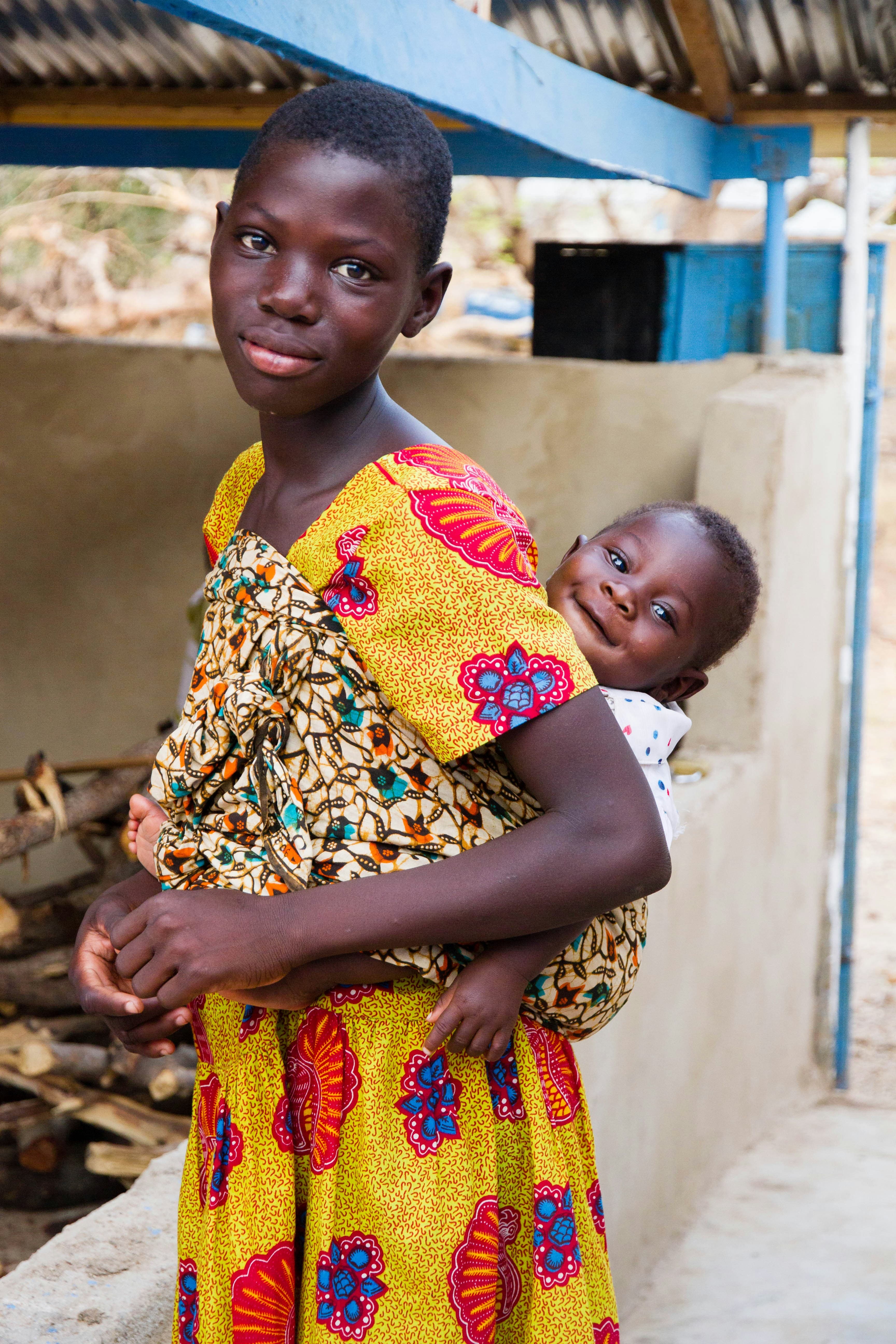
Climate change is increasingly recognised as a human rights crisis. Less recognised is that it is also an early childhood crisis — one whose most severe impacts fall disproportionately on children in the first years of life.
The physiological vulnerability of young children to climate-related harms is well-documented. Heat stress, air pollution, waterborne disease, and food insecurity all affect young children more severely than older children or adults. Flooding and extreme weather events destroy the community infrastructure — water systems, health facilities, early learning centres — on which young children depend. Climate-induced displacement has severe effects on the caregiving relationships and environmental stability that young children need for healthy development.
The Legal Gap
Despite this vulnerability, neither the international climate law framework nor the international child rights framework adequately addresses the situation of young children facing climate harm. The UNFCCC and Paris Agreement do not mention children at all. The CRC and ACRWC do not address climate change, having been adopted before it became a policy priority.
At the domestic level, climate legislation and early childhood legislation operate in entirely separate silos. Climate adaptation plans rarely include early childhood considerations. Early childhood frameworks rarely include climate resilience provisions. The institutional actors responsible for each area have limited interaction.
What Good Legal Frameworks Look Like
Integrating early childhood into climate law and policy requires action at multiple levels. Climate vulnerability assessments should include disaggregated data on the impacts of climate hazards on children under six. Climate adaptation plans should include specific provisions for protecting and rebuilding early childhood services in climate-affected areas. Nationally determined contributions should be accompanied by child rights impact assessments.
At the same time, early childhood legislation and policy should incorporate climate resilience provisions — including requirements that ECD services meet climate-appropriate construction standards, that emergency preparedness plans include early childhood services, and that climate-displaced families receive priority access to early childhood support.
CECJ is developing a model framework for integrating early childhood and climate considerations, which we will share with governments and civil society organisations across the continent in 2025. The intersection of climate and early childhood is not a niche concern — it is one of the defining legal and policy challenges of the coming decade.